Petrodollars
A new series by Gail Bundy

A couple quick notes before we kick off our new series:
First, today will be the first in Gail’s series on Petrodollars, and the US economy’s dependence on oil sales. Friday, we’ll post part 2, and the following Monday, May 11th, will be part 3.
Second, Friday, May 15th we’ll be giving you more details about our upcoming series, kicking off on May 16th. Basically, it’s celebrating 250 Americans who have made the world better - and there’s not a straight, white, cis-gendered man among them.
Finally, After the Voting Rights Act fell to the axe of SCOTUS, Indivisible co-sponsored a webinar with other activists groups to roll out a “what next plan.” (More details of that will be coming in upcoming weeks and months.) Two of the speakers were from a Voting Rights group called Transformative Justice Coalition. After the webinar, I was checking out their website and found a list of corporations that support Project 2025, that they suggest boycotting. The list included Hanes, Fruit of the Loom, and Bali bras, which I fear means the resistance will be underwearless. If that thought doesn’t send you running to the hills - read on, to learn how the US economy is tied to and dependent on oil sales and fossil fuel use.
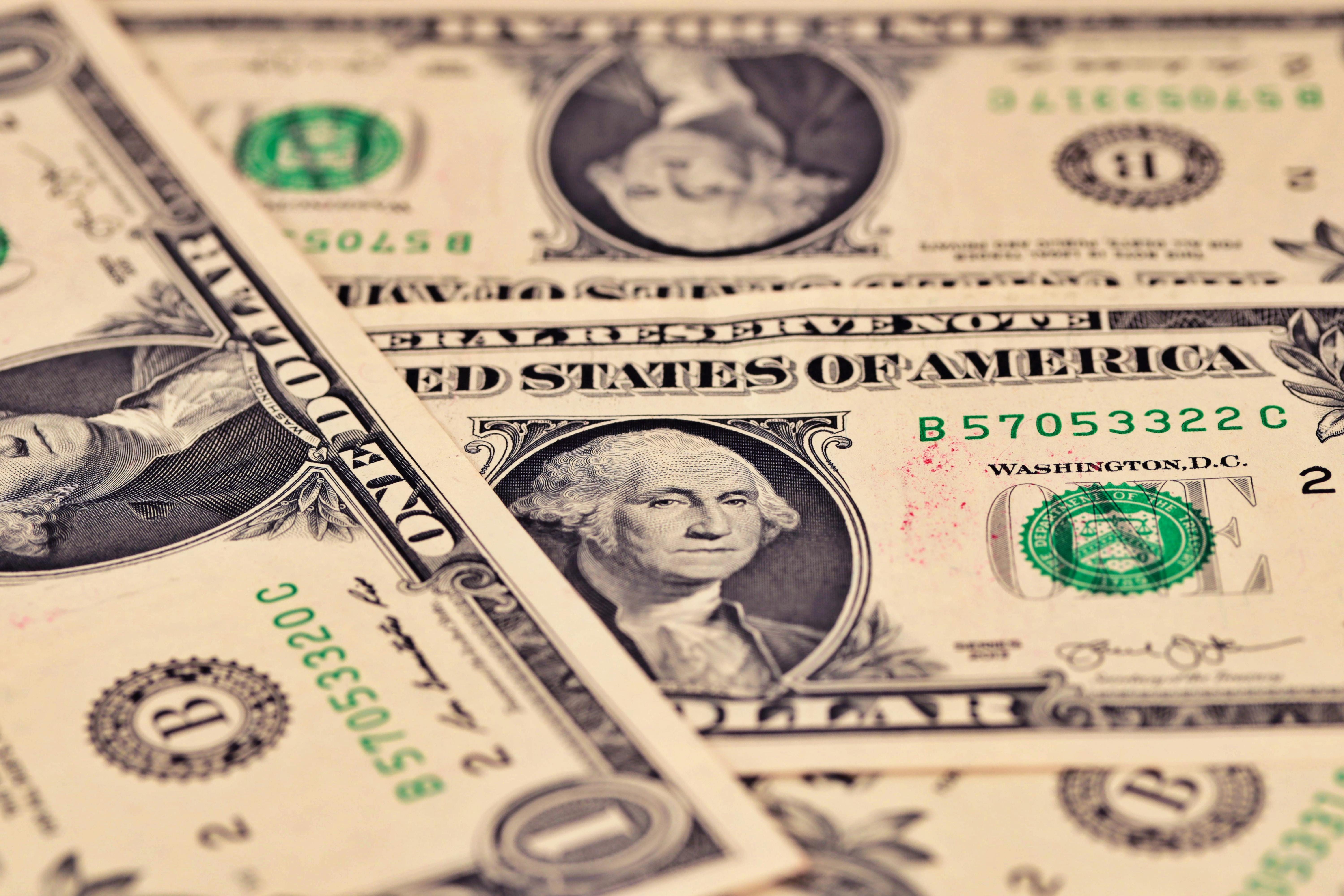
Petrodollars: How International Oil Sales and U.S. Currency are Interwoven
Part 1 of a Series: “It’s About Oil!”
by Gail Bundy
The United States’ attacks on Venezuela and Iran bring to the forefront the long history of U.S. role in international petroleum and currency exchange. Part 1 of our “It’s About Oil” series will describe how international oil sales underpin the U.S. dollar system. Three concepts --“Petrodollars”, “Petrodollar Recycling”, and “De-dollarization” -- provide some background for evaluating longer term financial implications of the United States military attack on Venezuela and the war with Iran.
The 1974 Secret Deal between the United States and Saudi Arabia that Ushered in the Age of the Petrodollar. Petrodollars are the result of a 1974 secret agreement between the Saudi Arabia and the United States. In the early 1970s, President Nixon removed the United States from the gold standard. About the same time, global oil shortages caused prices to soar. Henry Kissinger, Secretary of State, and William Simon, Secretary of Treasury made a secret deal with Saudi Arabia. Saudi Arabia agreed to price most of its oil in U.S. dollars. In exchange the United States promised Saudi Arabia military protection and access to technology. Once Saudi Arabia priced oil in U.S. dollars, most of the other major oil producing countries followed. (This agreement would remain secret almost 42 years until 2016 during the Obama administration.)
Petrodollar Recycling: Circular Process Linking Solvency of U.S. Dollars to International Oil Trading. That agreement now underpins the world’s monetary systems -- and the value of the United States’ dollar as a world reserve currency. In 2023, 80% of the world’s oil trade was conducted in U.S. dollars. When oil producing countries only accept U.S. dollars in payment, countries have to find some way to get U.S. dollars. Oil producing companies that only accept U.S. dollars must find a way to spend or use those dollars. Countries like Saudi Arabia might buy U.S. Treasuries, invest in U.S. projects (like commercial real estate or hedge funds), or buy weapons. While this system supports the strength of U.S. currency, the United States becomes dependent on foreign investors to fund its internal debt. This circular process (“petrodollar recycling”) results in linking the solvency of United States to international oil sales. This process also creates economic risks for everyone in the system – especially when the United States implements policies (such as wars and economic sanctions) that destabilize economies around the world.
Risks - Oil Buying Countries. If oil buying countries can not use their own currencies to purchase oil, they must somehow acquire dollars or convert their local currency. They can make goods and services for export to the U.S. or other dollar-heavy economies. When they receive dollars for their products, they can set aside a portion of those funds for buying oil. They can also borrow dollars from international banks, but will still need to repay the principal and interest in dollars. These strategies put pressure on making products for export – rather than developing local markets.
Risks - Oil Exporting Countries. The major oil exporting countries (including companies and individuals) may not spend their dollar-based income in their own countries. They may use their dollars for imports. Many invest their dollars into U.S. Treasury securities and other dollar-based endeavors. Making investments outside their home countries limits development of their own internal markets. These investors also expect the U.S. to be a stable actor on the international stage.
Risks - United States. The petrodollar agreements reinforce the dollar’s dominance in the world currency markets. The U.S. currency is in constant demand. Oil producing countries and companies invest in U.S. Treasuries as a “safe” place for their U.S. dollars. But this investment in U.S. debt also artificially “props up” the entire U.S. economy. The United States does not have to “make” anything or export anything to acquire dollars. Petrodollars allow the. U.S. to print money, funding the U.S. military, the deficit spending, and the social safety net. For this reason, a priority of U.S. foreign policy in the past has been keeping control of oil trading.
De-dollarization – High Stakes Geopolitical Poker. De-dollarization is the term given to an oil producing country that decides to accept other (non-US) currencies in payment for oil shipments. Many countries outside the United States seek to disconnect from the dominant oil industry payment system. China, Russia, and Iran are leading the effort. In 2009, Brazil, Russia, Iran, and China formed the “BRIC” alliance (which now has11 members). This BRICS alliance is actively working on developing financial exchange systems to facilitate funds transfer alternatives to the petrodollar system. In 2018 China introduced its own “petroyuan” concept. In 2019 Russia started accepting other currencies. Saudi Arabia is also accepting other currencies.
Economic Sanctions Starting to Backfire. When the United States has imposed economic sanctions on countries, a key element of the strategy is to ban those countries from the U.S. dominated currency markets. Several countries with sanctions have been oil producers –Iran, Russia, and Venezuela. All three of those had to accept other currencies in order to sell oil.
Venezuela, Sanctions, and U.S. Takeover. While several administrations had imposed sanctions on Venezuela for human rights violations, the first Trump Administration directly banned Venezuela’s oil industry from the dollar. Venezuela announced it would accept Chinese yuan and other currencies. The second Trump administration escalated a military blockade to prohibit movement of oil tankers. Then the U.S. essentially took over Venezuela’s oil industry. Now all sales are conducted through the U.S. Treasury. The United States is “holding” those dollars for Venezuela with a system for Venezuela to get access to some of those funds.
World Reaction. While the U.S. dollar is still considered the world’s reserve currency, recent actions on tariffs, Venezuela, and Iran lead the rest of the world to question the United States’ committee to global economic stability. At the Davos World Economic Forum (January 2026), Mark Carney, the Canadian Prime Minister, laid out cogent rationale for Canada and other “middle power” states to walk away from the United States. He challenged the wisdom of economic sanctions imposed by rich countries on poor counties. Implied in his speech was a challenge to walk away from the dependence on the U.S. dollar.
[To Be Continued] Part 2 of this series will look more closely at the U.S. colonization of Venezuela. Part 3 will examine how the U.S. administration’s focus on fossil fuels is harming its citizens by stifling innovation in other industries. Part 4 will look at oil and the Middle East crisis.
Sources:
1. Wikipedia, Definitions of “Petrodollars” and “Petrodollar Recycling
2. “Petrodollars and Their Impact on the U.S. Dollar and Global Economy”, Updated Nov 19, 2025 https://www.investopedia.com/articles/forex/072915/how-petrodollars-affect-us-dollar.asp
3. Mision Verdad, “What does the Sale of Venezuelan Oil in Currencies Other than the US Dollar Mean?, Venezuela Analysis, September 29, 2017, [https://venezuelanalsusiscom/analysis/13405/ ], accessed January 22, 2026
4. “Read Mark Carney’s full speech on middle powers navigating a rapidly changing world?”, CBS News- Canada, posted January 20, 2026. https://www.cbc.ca/news/politics/mark-carney-speech-davos-rules-based-order.
Thank you, Gail. Clear, organized, and concise writing about how the oil industry (and Republican cover) has brought so much destruction—environmentally, politically, and economically to our country and the world.